
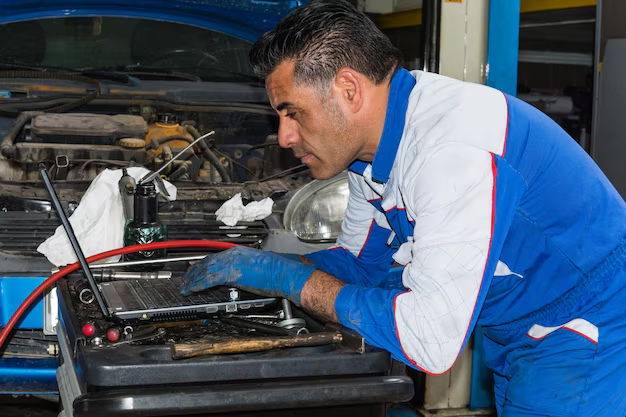
Have you ever been driving at night and noticed your headlights seem a bit dim? Or perhaps you’ve experienced flickering lights or strange electrical issues in your vehicle. If so, you’re not alone. Many drivers face these frustrating problems, and they can be more than just an annoyance. They might be signaling a deeper electrical issue in your car. In this guide, we’ll explore the common causes behind dim headlights and other electrical problems and offer practical advice on what to do next. So buckle up, and let’s shed some light on the situation!
Understanding Your Vehicle’s Electrical System
Before diving into specific issues, it’s helpful to have a basic understanding of your car’s electrical system. This system is complex and vital for your vehicle’s operation, controlling everything from starting the engine to powering the lights, radio, and other accessories. A well-maintained electrical system ensures the smooth operation of your vehicle and prevents unexpected breakdowns.
The Role of the Battery
The battery is the heart of your vehicle’s electrical system. It supplies the power needed to start the engine and powers the electrical components when the engine isn’t running. A failing battery can lead to dim headlights and other electrical glitches. Imagine trying to start your car on a cold winter morning, only to hear a sluggish crank. This is often a sign that the battery is struggling.
The Alternator’s Function
Once your engine is running, the alternator takes over. It charges the battery and powers the electrical systems. If your alternator is on the fritz, it might not charge the battery efficiently, leading to power issues. For instance, you might notice your headlights dimming when idling at a traffic light. This happens because the alternator isn’t supplying enough power to meet the car’s demands.
Wiring and Fuses
Wiring is like the nervous system of your car’s electrical setup, connecting all components. Fuses protect these circuits from overload. Faulty wiring or blown fuses can cause specific components to malfunction or stop working altogether. Imagine your car’s radio suddenly cutting out or your power windows refusing to budge; these could be signs of wiring issues.
Common Causes of Dim Headlights
If your headlights are dim, it’s essential to determine the cause. Here are some of the most common reasons this might happen.
Battery Issues
The first suspect in any electrical problem is often the battery. A weak or dying battery might not provide enough power, leading to dim headlights. This is akin to using a flashlight with nearly depleted batteries; the light is faint and unreliable.
Signs of a failing battery include a slow engine crank, a swollen battery case, or the battery warning light on your dashboard. If your battery is older than three years, it’s wise to have it tested during routine maintenance to ensure it’s still holding a charge efficiently.
Alternator Problems
If the battery seems fine, the next step is to check the alternator. An alternator that isn’t working properly can’t keep the battery charged, leading to dim lights. For example, if your lights brighten when you rev the engine, this could indicate alternator issues.
Testing the alternator typically involves checking the voltage output with a multimeter. If the alternator needs replacement, consider the overall cost and the importance of professional installation to ensure the longevity of the new unit.
Wiring and Connection Issues
Poor connections or faulty wiring can also lead to dim headlights. Corrosion and loose connections are common culprits, often found when a vehicle has been exposed to harsh weather conditions or salted roads. Regularly inspect and clean battery terminals and connections to prevent these issues.
Broken wires and damaged insulation can cause intermittent electrical issues. If you find any exposed or damaged wires, it’s crucial to address them promptly to prevent further damage or a potential short circuit.
Other Electrical Issues and Their Causes
Besides dim headlights, other electrical problems can arise. Let’s explore these and their potential causes.
Flickering Lights
If your lights flicker, it might be due to a loose connection or a failing alternator. This can be particularly dangerous if it occurs at night, reducing your visibility on the road. Regularly inspect all connections and secure any loose wires to prevent flickering lights.
Electrical Component Failures
Components like the radio, power windows, or dashboard lights can fail due to electrical issues. A common cause for such failures is blown fuses, which can be quickly checked and replaced if necessary. Keep a few spare fuses in your glove compartment for easy access.
Faulty relays can also cause component failure. If you suspect a relay is the issue, consult your vehicle’s manual or a professional to identify and replace the faulty part.
Unusual Sounds
Buzzing or whining noises can indicate electrical problems. A high-pitched whine might suggest alternator issues, while buzzing sounds can indicate a failing relay that needs replacement. If you hear these noises, it’s best to have your vehicle inspected by a professional to diagnose and fix the problem.
Seasonal Tips for Maintaining Electrical Systems
Electrical problems can sometimes be seasonal. Here’s how to keep your vehicle in tip-top shape year-round.
Winter Challenges
Cold weather can be tough on batteries and electrical systems. Ensure your battery is fully charged and connections are clean to prevent starting issues. Regularly check for corrosion, especially if you live in areas where roads are salted in winter.
Summer Heat
Heat can also affect your vehicle’s electrical system. Ensure your cooling system is in good condition to prevent the engine and electrical components from overheating. Extreme heat can cause battery fluid to evaporate, so monitor your battery’s health during the summer months.
Practical Maintenance Tips
Regular maintenance can prevent many electrical issues. Here are some tips to keep your car’s electrical system running smoothly.
Regular Inspections
Schedule regular inspections with a professional to catch potential issues before they become problems. A well-maintained vehicle is less likely to experience unexpected electrical failures.
Clean Battery Terminals
Keep battery terminals clean and free from corrosion to ensure a good connection. A simple mixture of baking soda and water can be used to clean them effectively.
Monitor Electrical Components
Keep an eye on all electrical components. Early detection of issues can save you time and money. If you notice any changes in performance, have them checked immediately.
When to Seek Professional Help
While some issues can be handled at home, others require professional expertise. If you’re unsure or uncomfortable, it’s best to seek help. Persistent issues, despite your efforts, indicate that it’s time to contact a professional.
If you’re experiencing electrical issues with your vehicle, don’t let them go unchecked. Visit Mike’s Automotive in Pawling, NY, for expert auto electrical repair. Our team is ready to help you get back on the road safely. Contact us today to schedule your appointment!