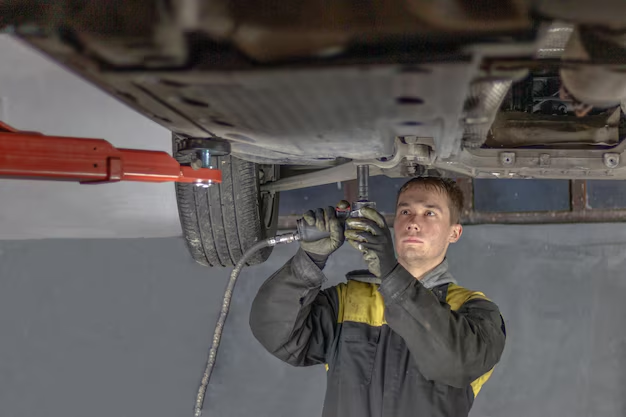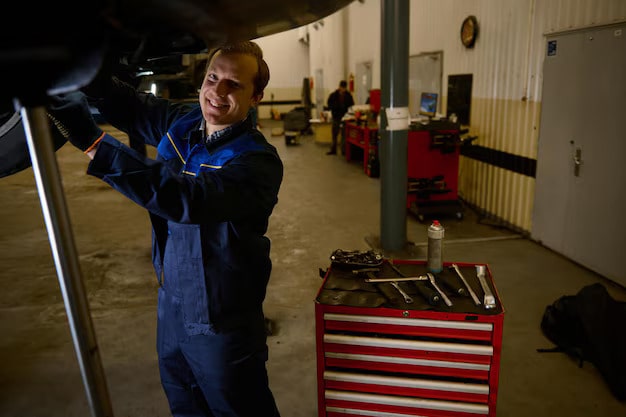
Technician inspecting car wheel alignment to prevent uneven tire wear.

Why You Should Never Ignore Uneven Tire Wear

Tires may not be the flashiest part of your vehicle, but they are one of the most important. They’re your only direct connection to the road, carrying the full weight of your car, helping you stop safely, and ensuring you maintain control in every turn. Because of this, their condition says a lot about your vehicle’s health. One of the biggest warning signs drivers often overlook is uneven tire wear.

At first, it might seem like a minor cosmetic issue. After all, if the car still drives and the tire hasn’t gone flat, what’s the harm? The truth is that uneven tire wear is often the first indicator of deeper problems. Ignoring it can lead to poor handling, higher fuel costs, premature tire replacement, and even dangerous driving situations. Understanding why it happens and what to do about it can save you from unnecessary expenses and help you stay safer on the road.

Let’s take a closer look at why uneven tire wear happens, the risks it creates, and how you can prevent it from becoming a bigger problem.

What Causes Uneven Tire Wear?

Uneven tire wear isn’t random. It usually points to an underlying issue with your car’s suspension, alignment, or maintenance habits. Here are some of the most common causes:

  1. Poor Tire Alignment
    When your wheels aren’t aligned properly, they don’t roll straight. Instead, they drag slightly against the pavement at an angle. This leads to one side of the tire wearing down much faster than the other. Even if the difference is subtle, it shortens your tire’s lifespan and affects how your vehicle handles.
  2. Suspension Problems
    Your suspension system keeps the vehicle stable and ensures even tire contact with the road. Worn-out shocks, struts, or ball joints can cause your tires to bounce, skip, or lean awkwardly. That uneven pressure translates into irregular wear patterns.
  3. Improper Inflation
    Something as simple as the wrong tire pressure can make a big difference. Overinflated tires tend to wear more in the center, while underinflated tires wear down faster on the edges. Regularly checking your tire pressure helps prevent this avoidable issue.
  4. Driving Habits
    Aggressive cornering, sudden stops, and hitting potholes all contribute to premature and uneven wear. Even daily commuting in an area with rough roads can take its toll over time.
  5. Worn Out or Faulty Parts
    If your vehicle has worn bushings, bearings, or steering components, the tires won’t sit correctly. This creates misalignment that shows up as uneven wear long before other symptoms appear.

The Types of Uneven Tire Wear You Might Notice

Each type of wear pattern tells a story about what’s going wrong with your vehicle. Learning to recognize them can help you catch problems before they become expensive repairs.

  • Center Wear: Usually caused by overinflation. The tire rides more on its middle section, so the tread wears out there first.
  • Edge Wear: Typically linked to underinflation. The edges of the tire make more contact with the road, wearing down faster than the center.
  • Cupping or Scalloping: Patchy, uneven dips around the tire often caused by worn suspension components.
  • Feathering: Tread that feels smooth on one side and sharp on the other. This points to alignment or toe angle issues.
  • One-Sided Wear: If the inner or outer edge of a tire wears more quickly, it’s almost always tied to poor alignment.

Knowing what to look for makes it easier to explain your concerns when you bring your car in for service.

Why Uneven Tire Wear is Dangerous

Some drivers ignore uneven wear because their car still feels fine to drive, at least at first. But the risks of putting it off are serious:

Reduced Safety
Unevenly worn tires don’t grip the road properly. In wet or icy conditions, this reduced traction makes it much easier to lose control. Stopping distances increase, and handling becomes unpredictable, especially in emergency maneuvers.

Shortened Tire Life
A new set of tires is a major investment. Uneven wear can cut their lifespan in half, meaning you’ll be replacing them much sooner than necessary.

Increased Fuel Costs
When your tires aren’t rolling evenly, your engine has to work harder to keep the car moving. This extra drag means more fuel is burned over time.

Strain on Other Components
Poor alignment or suspension issues that cause uneven wear don’t just stop at your tires. They also stress steering and suspension parts, potentially leading to bigger repair bills down the road.

Unexpected Blowouts
A severely worn tire is more likely to fail suddenly. A blowout on the highway puts you and others in serious danger.

How to Prevent Uneven Tire Wear

The good news is that with the right care, you can minimize the risk of uneven tire wear and keep your car running smoothly.

Schedule Regular Tire Rotations
Rotating your tires every 5,000 to 7,000 miles helps distribute wear evenly across all four tires. Front tires tend to wear differently than rear ones, so swapping positions extends their overall life.

Keep Up With Alignments
Alignment checks are one of the best defenses against uneven wear. Even a slight misalignment can cause major wear patterns over time. If your car pulls to one side, or if you notice steering issues, it’s time for an alignment.

Check Tire Pressure Often
Make it a habit to check your tire pressure once a month. Modern vehicles often have tire pressure monitoring systems, but manually checking with a gauge is still the most reliable way to catch small changes.

Inspect Your Tires Regularly
Every time you stop for gas or wash your car, take a quick look at your tires. Catching early signs of wear saves money and helps prevent surprises.

Address Suspension Problems Quickly
If your car feels bouncy, unstable, or you hear strange noises from underneath, have your suspension inspected. Fixing worn components right away prevents them from ruining your tires.

Why Local Expertise Matters

Anyone can sell you new tires, but fixing the cause of uneven wear requires skill, experience, and the right equipment. That’s where Mike’s Automotive in Pawling stands out. With more than 25 years in the auto industry and a background as a Honda Master Technician, Mike brings dealership-level expertise to every repair.

At Mike’s Automotive, you’ll get more than just a quick fix. The team takes the time to diagnose the root cause of the problem, whether it’s alignment, suspension, or another issue altogether. By addressing what’s really going on, they help you get the most life out of your tires and keep your vehicle safe on the road.

Clear communication, fair estimates, and quality repairs have made Mike’s Automotive a trusted name in Pawling. Whether you need a routine tire rotation or complex suspension repair, you’ll know your car is in capable hands.

Uneven tire wear is never something to brush off. It’s a clear sign your car needs attention, and the sooner you act, the safer and more cost-effective the solution will be. If you’ve noticed unusual wear patterns, vibrations, or handling issues, don’t wait for the problem to get worse. Bring your vehicle to Mike’s Automotive in Pawling for a professional inspection and expert tire care. Call today to schedule your appointment.

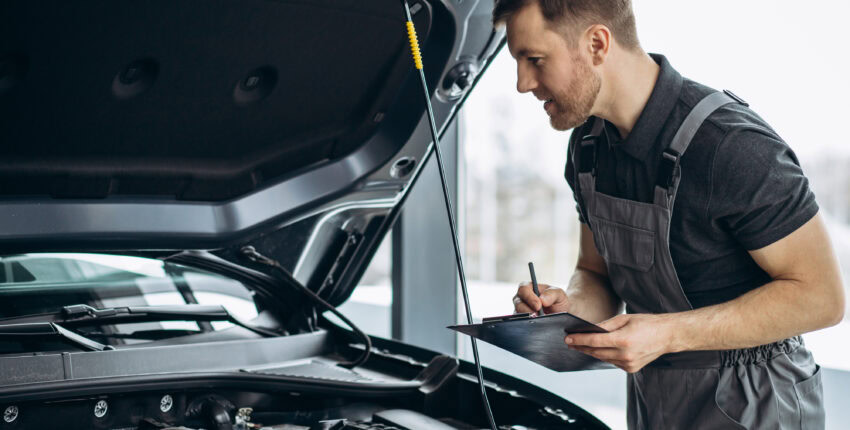
Engine diagnostics technician inspecting vehicle engine with diagnostic tools.

Engine Diagnostics: How Mike’s Automotive Identifies and Fixes Issues

If your check engine light has ever come on while you were driving through Pawling, NY, you know the sinking feeling that comes with it. That tiny glowing icon might mean something minor—like a loose gas cap—or something far more serious, like a failing catalytic converter. The problem is, your vehicle can’t talk to you directly to explain what’s wrong. That’s where engine diagnostics come in—and at Mike’s Automotive, we take this process seriously.

With over 25 years of industry experience and dealership-level training, Mike and his team bring big-shop expertise and small-town service together to accurately identify and fix engine issues before they turn into major headaches.

Let’s take a closer look at how engine diagnostics work, why they matter, and how Mike’s Automotive delivers honest, reliable diagnostics and repairs right here in Pawling.

What Are Engine Diagnostics, Anyway?

Modern vehicles are complex machines filled with sensors and computers that monitor performance, emissions, fuel use, and safety systems. When something’s off—whether it’s a misfire, an emissions problem, or a fuel delivery issue—the vehicle’s computer stores a “trouble code.” This code then triggers the check engine light or another dashboard alert.

Engine diagnostics is the process of reading those codes using specialized equipment, interpreting the results, and tracing the root cause of the problem.

But here’s the key: just pulling a code isn’t enough. A basic scanner might tell you there’s a P0301 code (which indicates a misfire in cylinder 1), but it doesn’t tell you why that misfire is happening. That’s where real diagnostic skill comes in—and where Mike’s Automotive stands apart from the crowd.

The Mike’s Automotive Diagnostic Process

At Mike’s Automotive, engine diagnostics are more than just plugging in a scan tool and reading a code. Mike’s experience as a former Honda Master Technician means he approaches every problem like a puzzle to solve—not a number to clear. Here’s how we do it:

1. Gathering the Clues

When a vehicle arrives with a check engine light or performance issue, the first thing we do is talk to the driver. When did the issue start? Are there any unusual noises? Is it intermittent or constant? The answers help us narrow down the possible causes even before the hood goes up.

2. Using Advanced Diagnostic Tools

We use state-of-the-art diagnostic equipment to connect to your vehicle’s onboard systems. These tools can read trouble codes, but they also go further—giving us access to live data, freeze-frame information, and sensor readings that help build a full picture of what’s happening under the hood.

3. Testing, Not Guessing

Once we’ve identified the general area of the issue, we move on to targeted testing. That might mean checking fuel pressure, inspecting ignition coils, or doing a compression test. Our goal is to confirm the exact cause—not just swap out parts and hope for the best. We don’t believe in guesswork, and we’ll never recommend a repair unless we’re confident it’s the right one.

4. Clear Communication

After identifying the problem, we sit down with you and explain what’s going on in plain English. We’ll walk you through your options, provide a clear estimate, and answer any questions you have. Whether it’s a minor sensor replacement or a major repair, we want you to feel confident in the decision you make.

Common Engine Issues We Diagnose and Fix

Engine problems come in all shapes and sizes. Here are just a few of the issues we see regularly at our Pawling shop:

  • Check Engine Light Service: One of the most common reasons people come to us is for engine light service. Whether it’s triggered by a loose gas cap or a serious emissions issue, we’ll get to the bottom of it.
  • Rough Idle or Stalling: If your car is shaking at red lights or stalling unexpectedly, it could be due to a vacuum leak, a dirty throttle body, or a faulty idle air control valve.
  • Poor Fuel Economy: Losing MPG? The culprit might be a bad oxygen sensor, clogged fuel injector, or misfiring spark plug—all things we can test and address.
  • Knocking or Pinging Noises: Unusual engine noises can be signs of timing issues, detonation, or worn internal components. We’ll determine whether it’s something simple or a deeper mechanical problem.
  • Engine Overheating: If your temperature gauge keeps climbing, it could point to a faulty thermostat, a coolant leak, or a failing water pump. These issues require quick diagnosis to avoid engine damage.
  • Failed Emissions Tests: If your vehicle didn’t pass its emissions inspection, we’ll use our diagnostic tools to determine the cause—often a malfunctioning sensor or failing catalytic converter.

No matter the issue, our approach is the same: test carefully, communicate clearly, and fix it right the first time.

Why Accurate Diagnostics Save You Time and Money

Let’s be honest: nobody wants to spend more on car repairs than they have to. The beauty of professional engine diagnostics is that they prevent unnecessary repairs. By pinpointing the actual issue, we avoid the parts cannon approach—replacing multiple components in the hope one will work.

Accurate diagnostics also reduce downtime. Instead of leaving your car in the shop for days while a mechanic tries to figure things out, Mike’s team gets right to the source and gets you back on the road sooner.

And perhaps most importantly, proper diagnostics help avoid future breakdowns. Fixing a small problem today—like a misfiring cylinder—can prevent larger, more expensive issues down the line, like catalytic converter failure or engine damage.

Dealership-Level Expertise Without the Dealership Hassle

One of the things that makes Mike’s Automotive different is the level of knowledge we bring to every diagnostic job. Mike’s time as a Honda Master Technician involved hundreds of hours of factory training—learning how to understand vehicle systems from the ground up.

That same skillset is now available right here in Pawling, NY, without the long waits, high prices, or impersonal service you might find at a dealership.

Whether you drive a Honda, a Toyota, a domestic vehicle, or a European import, we’re equipped to handle it. Our diagnostic tools cover all major makes and models, and our team stays up-to-date with ongoing training and certifications.

Signs It’s Time to Schedule Engine Diagnostics

Sometimes the signs are obvious, like a glowing check engine light. But other times, you might not even realize your car is asking for help. If you notice any of the following, it’s time to bring your car in for diagnostics:

  • Loss of power or sluggish acceleration
  • Decreased fuel efficiency
  • Engine knocking or pinging sounds
  • Strange smells (like fuel or burning oil)
  • Frequent stalling or rough idling
  • Hard starts or no-start situations
  • Failed emissions or inspection tests

Don’t wait for a small issue to become a major repair. Early diagnostics can save your engine—and your wallet.

Need Reliable Engine Diagnostics in Pawling, NY?

Your vehicle deserves expert care, and you deserve peace of mind. At Mike’s Automotive, we treat every vehicle like it’s our own, using advanced diagnostic equipment, decades of hands-on experience, and good old-fashioned honesty to get to the root of the problem. No guesswork. No gimmicks. Just skilled diagnostics and repairs that keep your vehicle running its best.

If your check engine light is on or something just feels off, don’t ignore it. Let Mike and the team at Mike’s Automotive take a look and give you the answers you need.

Call us today or stop by our shop in Pawling to schedule your engine diagnostics appointment. We’re just around the corner, and always here to help.

Technician inspecting tire pressure and tread for optimal tire care.

Tire Care Tips: Maximizing the Lifespan of Your Tires

Your tires are where the rubber meets the road—literally. They’re the only part of your vehicle that actually touches the pavement, and they play a huge role in how your car handles, how much fuel it uses, and—most importantly—how safe it is to drive.

At Mike’s Automotive in Pawling, we’ve seen it all: uneven tire wear from neglect, sidewall blowouts from poor inflation, and tires that had plenty of tread but were too old to be safe. The good news? A few simple tire maintenance tips can go a long way toward extending the life of your tires and keeping you safe on the road.

Whether you’re commuting through Dutchess County or road-tripping upstate, these tire care essentials will help your ride go the distance.

Check Your Tire Pressure—Monthly

Proper tire pressure is the foundation of all good tire maintenance. Too much air? You’re at risk of a rough ride and uneven center wear. Too little? Your tires will wear on the outer edges, reduce your fuel economy, and are more likely to overheat and fail.

The ideal tire pressure for your car is listed in your owner’s manual and often inside the driver’s door jamb. It’s not the number stamped on the tire—that’s the maximum pressure.

Checking your pressure monthly (and before any long trips) with a quality tire gauge is a quick and easy way to extend tire life. Make sure to check all four tires when they’re cold (before you’ve driven more than a mile or two), and don’t forget your spare while you’re at it.

Pro tip from Mike: Here in Pawling, temperature swings can make your tire pressure fluctuate. For every 10-degree drop in temperature, your tires can lose 1 PSI. Fall and winter are especially important times to check in.

Rotate Your Tires Regularly

Your front tires wear differently than your rear ones. That’s especially true on front-wheel drive vehicles where the front tires handle both steering and power delivery. Over time, this uneven wear can lead to noisy driving, reduced traction, and premature tire replacement.

Rotating your tires—moving them from one position on the car to another—helps them wear more evenly. This simple service typically needs to be done every 5,000 to 7,500 miles, or as recommended by your vehicle manufacturer.

At Mike’s Automotive, we can rotate your tires during your oil change, saving you time and helping you stay on schedule. Regular rotations are one of the most cost-effective ways to get the most out of your tire investment.

Get Regular Wheel Alignments

Your car’s alignment refers to how its wheels are positioned relative to each other and the road. If your alignment is off—even slightly—your tires can wear out fast and unevenly. You might notice your steering wheel pulling to one side, vibration through the wheel, or a crooked steering wheel when you’re driving straight.

Even minor bumps with a curb or pothole can throw your alignment off. That’s why we recommend getting your alignment checked annually, or anytime you hit something hard, notice strange handling, or replace tires or suspension components.

A wheel alignment is like hitting the reset button for your tires. It restores the factory settings that let your tires wear evenly and safely.

Inspect Your Tires for Wear and Damage

You don’t have to be a mechanic to do a quick tire check. Make a habit of walking around your vehicle and visually inspecting your tires for any issues:

  • Tread depth: Use the penny test. Insert a penny into the tread with Lincoln’s head down. If you can see the top of his head, it’s time for new tires.
  • Cracks or bulges: These can indicate internal damage or aging and can lead to blowouts.
  • Uneven wear: If one side of the tire is wearing faster than the other, it might be time for a rotation or alignment.
  • Objects in the tire: Nails, screws, or glass embedded in the rubber can lead to slow leaks or flat tires.

Spotting small problems early can save you from big headaches (and costs) down the road.

Mechanic inspecting air pressure in tire

Don’t Ignore Your Tire Age

Even if your tires look fine, they have a shelf life. Most tire manufacturers recommend replacing them every six years, and definitely by ten years—even if there’s tread left. That’s because the rubber compounds break down over time, making the tires more prone to failure.

You can check the age of your tires by looking at the DOT code stamped on the sidewall. The last four digits show the week and year the tire was made (e.g., 2321 = 23rd week of 2021).

If you’re not sure how old your tires are or whether they’re still safe, swing by Mike’s Automotive. We’ll check them out for free and give you an honest assessment.

Balance and Suspension Matter Too

Tire care doesn’t exist in a vacuum—your suspension and wheel balance play a big role in how your tires wear.

  • Wheel balancing ensures that the tire’s weight is evenly distributed around the axle. An unbalanced tire can cause vibrations, uneven tread wear, and damage to suspension parts.
  • Suspension problems like worn shocks or struts can make your tires bounce excessively, leading to scalloped or cupped tread wear.

If your ride feels bouncy, shaky, or you hear odd noises while driving, let us take a look. Catching these problems early helps prevent premature tire damage.

Be Mindful of How and Where You Drive

Driving habits and road conditions have a huge impact on your tire lifespan. While some wear and tear is inevitable, there are ways to drive smarter:

  • Avoid potholes and road debris when possible.
  • Take turns and corners smoothly, especially at higher speeds.
  • Don’t overload your vehicle, which puts extra pressure on your tires.
  • Slow down on rough or gravel roads to reduce impact damage.

Here in Pawling and the surrounding areas, road conditions can be unpredictable, especially in the winter. A little extra caution goes a long way toward protecting your tires and your vehicle.

Choose the Right Tires for Your Vehicle and Climate

Not all tires are created equal. The right tire for your car depends on factors like your driving style, local weather, and vehicle type. For example:

  • All-season tires are a good general-purpose option for many drivers.
  • Performance tires offer better grip and handling but may wear faster.
  • Winter tires are essential if you frequently drive in snow or icy conditions.
  • Touring tires are designed for comfort and long tread life, great for commuters.

At Mike’s Automotive, we’ll help you pick the best tires for your specific needs and budget—and we’ll install and balance them properly so you hit the road with confidence.

Trust a Local Team That Knows Tire Care Inside and Out

Tire maintenance might seem like a chore, but it’s one of the smartest investments you can make in your car’s performance, safety, and longevity. Taking a few simple steps—checking pressure, rotating regularly, watching for wear, and staying on top of alignments—can extend tire life significantly.

At Mike’s Automotive in Pawling, tire care isn’t just another service—it’s part of how we keep our neighbors safe on the road. With over 25 years of experience and dealership-level training, Mike and the team take pride in delivering honest, expert service you can count on.

If you’re not sure where your tires stand, or you want to make sure your maintenance routine is on track, give us a call or stop by. We’ll inspect your tires, answer your questions, and make sure your vehicle is ready for wherever the road takes you.

Let’s keep your car riding smoothly and safely. Schedule your tire check or rotation at Mike’s Automotive today—your tires will thank you.

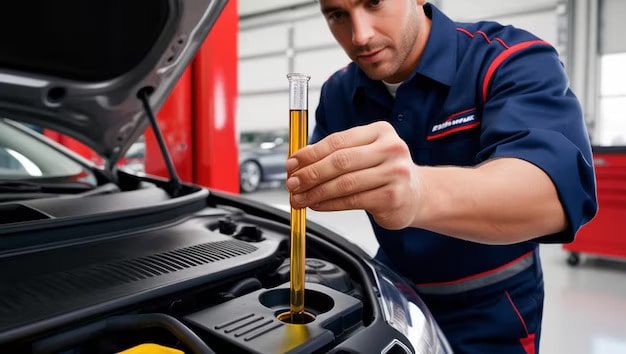
Auto mechanic checking engine oil level in car engine at Mike's Automotive.

Understanding Your Vehicle’s Warning Lights: A Guide for Drivers

When you get behind the wheel, your vehicle’s dashboard is your command center — a vital source of information about your car’s health and performance. Among the most important indicators are your vehicle’s warning lights. These dashboard indicators are designed to alert you when something needs your attention, whether it’s a minor maintenance reminder or a serious mechanical issue.

Understanding what these lights mean can be the difference between avoiding costly repairs and driving into trouble. Yet, many drivers feel unsure or even anxious when they see a warning light illuminate. This guide will help demystify those dashboard indicators, explaining what the most common vehicle warning lights mean and how you should respond.

Why Are Vehicle Warning Lights Important?

Vehicle warning lights are part of your car’s onboard diagnostic system. Modern vehicles are equipped with dozens of sensors that continuously monitor engine performance, safety systems, emissions, and more. When the system detects something outside the normal range, it triggers a warning light on your dashboard to get your attention.

Ignoring these warnings can lead to serious damage or compromise your safety. Conversely, reacting appropriately can help you address issues early, maintain your vehicle’s reliability, and avoid expensive repairs.

The Most Common Vehicle Warning Lights and What They Mean

Here’s a rundown of the most frequent dashboard indicators you’ll encounter, along with straightforward advice on what to do if you see them:

1. Check Engine Light (Malfunction Indicator Lamp)

This is probably the most well-known dashboard light. It can illuminate for many reasons—from a loose gas cap to issues with your catalytic converter or oxygen sensors. If the check engine light comes on steady, it means your car’s computer has detected a problem. A flashing check engine light signals a more urgent issue that requires immediate attention.

What to do: If the light is steady, schedule a diagnostic check soon. If flashing, safely pull over and turn off the engine to avoid further damage. Have your vehicle inspected immediately.

2. Oil Pressure Warning Light

This light looks like an old-fashioned oil can and indicates your engine oil pressure is too low. Oil pressure is critical to lubricate engine parts and prevent damage.

What to do: Stop driving immediately if this light comes on. Check your oil level and add oil if needed. If the light remains on after adding oil, do not continue driving—call for professional assistance right away.

Auto mechanic checking engine oil level in car engine at Mike's Automotive.

3. Battery/Charging System Light

Usually represented by a battery icon, this light means your battery isn’t charging properly. It could be a dead battery, a failing alternator, or an electrical issue.

What to do: Turn off any non-essential electrical devices and head to a repair shop as soon as possible. If your car stalls, the battery may be drained.

4. Brake System Warning Light

This red exclamation mark or the word “BRAKE” warns of a potential issue with the braking system, such as low brake fluid, worn brake pads, or a more serious hydraulic failure.

What to do: If this light comes on, check your parking brake first to ensure it’s fully released. If it’s off, have your brakes inspected immediately for your safety.

5. Tire Pressure Monitoring System (TPMS) Light

This icon looks like a flat tire with an exclamation mark. It alerts you that one or more tires are underinflated, which can affect handling, fuel economy, and tire lifespan.

What to do: Stop at a safe place and check your tire pressure with a gauge. Inflate tires to the recommended pressure found in your owner’s manual or driver’s door frame.

6. Engine Temperature Warning Light

Often a thermometer or thermometer in liquid symbol, this light indicates your engine is overheating, which can cause severe engine damage.

What to do: Pull over safely and turn off the engine. Let it cool before checking coolant levels. Avoid opening the radiator cap while hot. Call for professional help if the problem persists.

7. ABS (Anti-lock Braking System) Warning Light

This light signals a problem with the anti-lock brake system, which helps maintain steering control during hard braking.

What to do: Your regular brakes will still work, but ABS might not activate when needed. Get your braking system checked as soon as possible.

How to Respond to Warning Lights: Practical Tips

Knowing what each warning light means is helpful, but knowing how to respond is equally important.

  • Don’t Panic: Warning lights are meant to inform you, not frighten you. Assess the situation calmly.

  • Check Your Owner’s Manual: Every car is different. Your manual will provide specific information about dashboard indicators and recommended steps.

  • Schedule Diagnostics Promptly: For most lights that don’t require immediate stopping, don’t delay a visit to your trusted mechanic.

  • Keep Routine Maintenance Up to Date: Many warning lights are triggered by avoidable issues. Regular oil changes, fluid checks, tire inspections, and system diagnostics can prevent warnings from appearing.

  • Know When to Stop Driving: Lights related to oil pressure, engine temperature, or flashing check engine alerts usually require immediate action to prevent damage.

Why Professional Diagnostics Matter

At Mike’s Automotive in Pawling, we understand how confusing and stressful dashboard warning lights can be. With over 25 years of experience and dealership-level expertise, we use advanced diagnostic tools to quickly pinpoint the root cause behind those warning lights. This approach saves you time, prevents unnecessary repairs, and gets you safely back on the road.

When your check engine light or any other warning indicator turns on, trust our team to provide clear explanations, honest estimates, and expert repairs. From routine maintenance to complex engine diagnostics and repairs, we bring a personal touch combined with professional precision. 

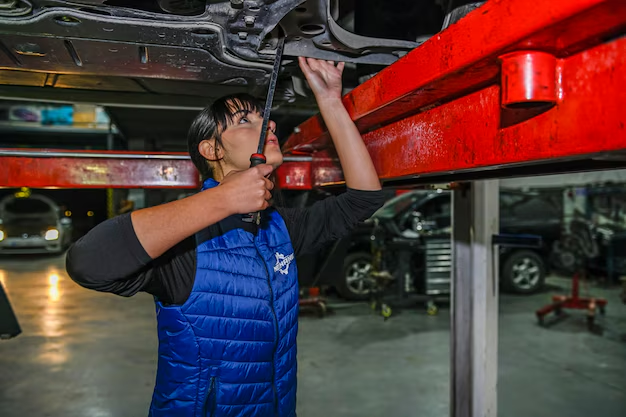
Skilled mechanic inspecting vehicle undercarriage at Mike's Automotive.

Staying Ahead of Vehicle Issues

Ignoring dashboard warning lights can lead to inconvenient breakdowns or costly repairs. But you don’t have to be a car expert to keep your vehicle in top shape. Pay attention to your dashboard, listen to your car, and don’t hesitate to reach out for expert help.

Whether it’s a simple tire pressure fix or an urgent engine concern, Mike’s Automotive is here to guide you every step of the way. We’re proud to serve Pawling and the surrounding communities with trustworthy service and a commitment to your safety.

Next time a warning light comes on, remember it’s your vehicle’s way of talking to you. Listen closely, act wisely, and drive confidently.

If your vehicle’s warning lights are on or if you want peace of mind with a thorough checkup, give Mike’s Automotive a call today. Let our expert team ensure your car stays safe, reliable, and ready for the road ahead.