Transmission Repair Costs Are Rising in 2026 : Here’s How Pawling Drivers Can Save

If you have driven through Pawling or down along Route 22 recently, you have likely noticed that everyday expenses are climbing. From groceries to utility bills, inflation has touched nearly every corner of our lives. Unfortunately, vehicle ownership is no exception. Across the automotive industry, repair bills are hitting car owners harder than ever this year, and no single component has seen quite as dramatic a price surge as the modern transmission.

When your vehicle starts slipping gears, hesitating on acceleration, or leaking reddish fluid on your driveway, a wave of anxiety is completely natural. In 2026, a major transmission rebuild or replacement can easily range anywhere from $3,000 to over $7,000 depending on your make and model. For local families and daily commuters relying on their cars to get to work or school, that kind of unexpected expense can throw a wrench into any household budget.

However, understanding why these costs are rising: and knowing where to turn for honest guidance: makes all the difference. Drivers across our community do not have to fall victim to inflated dealership pricing. By partnering with an experienced independent shop that prioritizes transparent communication and meticulous craftsmanship, you can protect your vehicle and your wallet.

Why Transmission Repair and Replacement Costs Are Climbing in 2026

To understand why transmission work feels so costly right now, it helps to look behind the scenes at the broader economic and technological shifts affecting repair shops nationwide.

1. Rising Labor Rates and Specialist Training

Fixing or rebuilding a modern transmission is not a quick 30-minute fix. It is an intricate, highly labor-intensive process that frequently requires 10 to 20 hours of precise bench work, diagnostic testing, and reinstallation. As shop operating expenses and skilled technician wages adjust to match inflation, average hourly labor rates across the industry have climbed steadily: often reaching between $120 and $200 per hour, with specialized transmission technicians commanding top tier rates.

Furthermore, today’s transmissions are mechanical marvels packed with computerized control modules, solenoids, and complex valve bodies. Gone are the days of the simple three-speed automatic. Modern gearboxes demand advanced diagnostic tools, continuous software updates, and rigorous technician training to diagnose accurately.

2. Parts Inflation and Complex Gearbox Designs

Whether you drive a traditional automatic, a continuously variable transmission (CVT), or a dual-clutch system, replacement parts have become exceptionally expensive. Remanufactured units and Original Equipment Manufacturer (OEM) components carry higher price tags than they did just a few years ago.

CVTs found in many commuter cars, for instance, often require complete replacement rather than a simple internal component swap if catastrophic failure occurs. When you combine pricier parts, core charges, and heavy shipping fees, the baseline cost of acquiring the necessary hardware has risen dramatically.

The Dealership Price Trap vs. Independent Auto Repair Services

When faced with a major mechanical failure, many drivers default to calling the local franchise dealership where they bought their car. While dealerships certainly know their brand’s vehicles, their pricing structures are designed to cover massive corporate overhead, expansive showrooms, and rigid operational models.

Dealerships typically apply hefty markups: sometimes 35% to 50% or more: on parts alone, before adding top-dollar hourly labor rates. For vehicle owners in Pawling, NY, this often results in a staggering estimate that feels disconnected from reality.

This is where independent auto repair services offer a breath of fresh air. At an independent neighborhood shop, you receive dealership-level technical capability without the corporate markup. Independent shops maintain lower overhead, allowing them to pass those savings directly on to customers through fair pricing and transparent, upfront estimates.

Instead of pushing for an expensive, automatic full replacement right out of the gate, a trusted local mechanic will take the time to inspect your vehicle thoroughly, check for minor external fixes like failing solenoids or sensor faults, and explore cost-effective rebuilding options whenever feasible.

Mechanic working at a workbench with automotive diagnostic tools and transmission parts

The Value of Experience: Why Technical Expertise Matters

When your vehicle’s transmission is on the line, expertise is your best defense against unnecessary repairs and wasted money. Not all repair shops approach diagnostics with the same level of depth, and misdiagnosing a transmission problem can lead to expensive trial-and-error parts swapping.

With over 25 years of hands-on industry experience, Mike’s Automotive brings decades of high-level technical knowledge right to the local Pawling community. Having earned Honda Master Technician credentials: backed by 249 rigorous online studies and 79 intensive in-person modules: Mike applies precise, factory-trained analytical skills to every single vehicle that rolls into the bay, regardless of whether it is a Honda, Toyota, Ford, BMW, or Audi.

That deep level of experience means complex electrical diagnostics, internal mechanical wear, and computer-controlled shifting issues are identified accurately the first time. You get the meticulous workmanship of a seasoned master technician combined with the friendly, personalized touch of a local neighborhood garage.

How Routine Car Maintenance Defends Against Transmission Inflation

The absolute best way to beat rising transmission repair costs in 2026 is simple: prevent the failure before it happens. Transmission neglect is the leading cause of premature internal wear. Over thousands of miles of driving through changing weather and heavy traffic, transmission fluid breaks down, loses its protective lubricating properties, and becomes contaminated with microscopic metal shavings and clutch material.

Making routine car maintenance a priority throughout the year protects your investment. Simple services like regular fluid changes and fluid flushes help keep operating temperatures down and valve bodies clean.

During routine multi-point inspections, experienced technicians can catch early warning signs: such as minor fluid weeping, unusual vibrations, or subtle shifts in gear engagement: that most drivers might overlook. Addressing a minor sensor replacement or fluid flush today for a few hundred dollars is infinitely better than facing a multi-thousand-dollar overhaul tomorrow.

Protecting Your Vehicle With Honest, Local Care

Rising repair costs do not mean you have to compromise on quality or break your budget. By staying proactive with your vehicle’s upkeep and choosing an independent shop rooted in honesty and transparency, you can navigate today’s economic climate with confidence.

If you have noticed sluggish shifting, strange noises, or fluid leaks, do not wait until a minor problem transforms into a major transmission failure. Contact Mike’s Automotive today to schedule a professional inspection and experience honest, expert auto care right here in Pawling, NY.

Honda Specialist Secrets Revealed: What Big Dealerships Don’t Want You to Know

If you’ve ever sat in a dealership waiting room for three hours just to get an oil change, staring at a vending machine and wondering why a simple service is costing you half a paycheck, you’re not alone. Most drivers in Pawling, NY, assume that the big glass-walled dealerships are the only places to get “factory-level” care. They tell you that only their technicians have the secrets to keeping your Honda running forever.

But here’s the truth: the “secrets” aren’t locked in a vault at the dealership headquarters. They’re carried in the heads of the people doing the work.

At Mike’s Automotive, we believe in pulling back the curtain. Our founder, Mike, spent over two decades in that world. As a former Honda Master Technician with more than 25 years of industry experience, he’s seen exactly how the dealership machine works: and why it often leaves customers feeling like just another number on a service ticket. When he opened the shop in 2019, the goal was simple: bring that elite, dealership-level expertise to a neighborhood setting where honesty actually matters.

The Barrier Between You and the Expert

One of the biggest “secrets” of the dealership world is the person you talk to when you drop off your keys. Most of the time, you aren’t talking to the person fixing your car. You’re talking to a “Service Advisor.”

While many advisors are great people, their job is often more about sales than mechanics. They are the middleman, and in many big shops, they are incentivized to “upsell” additional services like fluid flushes or “performance packages” that your car might not actually need yet.

When you look for a Honda specialist mechanic near Pawling, you deserve to talk to the person who actually has grease on their hands. At a local shop like ours, that barrier doesn’t exist. You get to hear the truth directly from the source. If Mike tells you your brakes have another 5,000 miles left in them, he’s saying it because he’s actually looked at the pads, not because he’s trying to hit a monthly sales quota.

The “Master Technician” Reality

The title “Master Technician” isn’t just a fancy sticker for a toolbox. To earn that status at a Honda dealership, Mike had to complete 249 online studies and 79 grueling in-person modules. It takes years of dedication to master the specific electrical systems, engine tolerances, and diagnostic patterns that make a Honda a Honda.

Big dealerships often have one or two Master Techs on staff, but they also employ a lot of “lube techs” and entry-level apprentices. Your car might be assigned to someone who is still learning the ropes, even though you’re paying the premium “Master” labor rate.

By choosing a specialized independent shop, you ensure that the person overseeing your engine diagnostics or complex repairs is the one with the decades of experience. You’re getting that 25+ years of knowledge applied directly to your vehicle, every single time.

Professional automotive diagnostic equipment on a clean workbench

The Truth About “Dealer-Only” Tools

Dealerships love to claim that they have “proprietary” tools that no one else can access. While it’s true that modern cars are essentially rolling computers, the independent world has caught up.

A high-quality Honda specialist mechanic invests heavily in the same advanced diagnostic software and specialized tools found at the dealership. Whether it’s resetting a complex sensor after a wheel alignment or digging into a tricky electrical ghost, we use the same technology to get the job done right.

The difference? We don’t have the massive overhead of a multi-million dollar showroom or a fleet of loaner cars to pay for. This allows us to offer the same meticulous auto repair services in Pawling, NY, at a price that is fair and transparent. We focus on the work, not the marble floors in the lobby.

Maintenance vs. Repair: The Dealership Spin

Routine maintenance is the bread and butter of any auto shop. However, dealerships often use these visits to hunt for “problems” that aren’t quite problems yet. They might suggest a full brake repair when your rotors are still perfectly smooth, or recommend a transmission flush well before the manufacturer’s interval.

At Mike’s Automotive, we prioritize what is actually necessary for your safety and the longevity of your car. We know that for families in Pawling, a car is more than just a machine: it’s how you get the kids to school, how you commute to work, and how you stay connected.

We take the time to explain the “why” behind every recommendation. If we see uneven tire wear, we’ll explain how a suspension issue might be causing it, rather than just telling you that you need new tires. We want you to be an informed owner, not a confused customer.

Why Local Knowledge Matters in Pawling, NY

Working on cars in the Hudson Valley is different than working on cars in a climate-controlled city. We deal with road salt, steep hills, and the kind of “stop-and-go” that happens when a tractor is moving between fields on Route 22.

A local Honda specialist mechanic understands the specific stresses our local environment puts on your vehicle. We know which parts of a Honda’s exhaust system are most likely to rust out early due to New York winters, and we know how to spot suspension problems caused by our local potholes before they leave you stranded.

That “personalized touch” isn’t just a marketing slogan; it’s about knowing our neighbors and the roads they drive every day. When you bring your car to us, you aren’t just getting a service; you’re getting a partner in keeping your vehicle safe for the long haul.

Quality Parts Without the Markup

Another “secret” is where the parts come from. Dealerships will tell you that you must use “Genuine Honda” parts for everything. While we agree that routine car maintenance often benefits from OEM (Original Equipment Manufacturer) quality, we also know when a high-quality aftermarket part is actually a better value for an older vehicle.

Because we aren’t tied to a single manufacturer’s supply chain, we have the flexibility to find the best part for your specific situation and budget. We use our 25+ years of experience to vet our suppliers, ensuring that every bolt, belt, and brake pad meets our strict standards for durability.

Experience You Can Trust

Choosing the right shop for your auto repair services shouldn’t feel like a gamble. It should feel like a relief. By combining dealership-level training with the honesty of a neighborhood garage, Mike’s Automotive offers the best of both worlds.

We’ve been serving the Pawling community since 2019, but our roots in the industry go much deeper. We’ve seen the industry change, but our commitment to meticulous work and customer satisfaction has stayed exactly the same. Whether you drive a brand-new CR-V or an Accord with 200,000 miles on the clock, we treat every vehicle with the respect it deserves.

Don’t let the big dealerships keep you in the dark with confusing jargon and high prices. Experience the difference that comes from working with a true specialist who cares about your car as much as you do.

If your Honda is due for a check-up, needs a strange noise diagnosed, or just requires some expert maintenance, we’re here to help. Stop by Mike’s Automotive in Pawling, NY, or give us a call to schedule your next service. We’ll give you the straight talk and quality workmanship you’ve been looking for.

Close-up of a clean, modern car engine at Mike's Automotive shop.

Beyond the Sticker: Why Routine Car Maintenance Throughout Pawling Saves You Thousands

We’ve all been there. You’re driving down Route 22, the sun is setting over the hills, and you catch a glimpse of that little clear sticker in the top-left corner of your windshield. It says you were due for service 500 miles ago. You think to yourself, “The car is running fine, I’ll get to it next month.”

In the moment, skipping that appointment feels like a win for your schedule and your wallet. But as someone who has spent over 25 years under the hoods of everything from high-end European imports to the most reliable Hondas on the road, I can tell you that the “sticker” is actually the most important financial document in your glovebox.

At Mike’s Automotive, we see the difference every single day. We see the cars that make it to 250,000 miles with nothing but standard wear-and-tear, and we see the ones that end up on a flatbed because a $50 part failed and took a $5,000 engine with it. Routine car maintenance isn’t just about keeping your warranty valid; it’s about keeping your hard-earned money where it belongs: in your bank account.

The True Cost of “Saving” Money by Skipping Service

It is easy to look at a service quote and see it as an expense. However, the perspective changes when you look at the alternative. Think of routine car maintenance as a form of insurance that actually pays you back.

Take the humble oil change service as an example. Engine oil is the lifeblood of your vehicle. It doesn’t just lubricate; it cleans, cools, and prevents metal-on-metal friction that would otherwise weld your engine parts together. Over time, heat and pressure break down the chemical structure of that oil, turning it into a thick, abrasive sludge.

If you spend $60 to $80 on a high-quality oil change service in Pawling every 5,000 to 7,500 miles, you are spending roughly $150 to $200 a year to protect an engine that costs thousands to replace. If you skip those changes, that sludge begins to clog oil passages. Eventually, a timing chain might snap or a bearing might seize. Suddenly, that $60 you “saved” last month has turned into a $6,000 engine replacement bill. For drivers in Pawling, where hills and cold winters put extra stress on engines, that fresh oil is even more critical.

The Master Tech Difference: Diagnostics Over Guesswork

When we opened Mike’s Automotive in 2019, our goal was to bring dealership-level expertise to our local community without the “big box” dealership atmosphere. Having spent decades as a Honda Master Technician: a certification that required 249 online studies and 79 in-person modules: Mike looks at a car differently than a technician at a “quick lube” franchise.

When you bring your vehicle in for auto repair services in Pawling, you aren’t just getting a fluid top-off. You’re getting an expert set of eyes on your vehicle’s most critical systems. During a routine inspection, we might notice a tiny hairline crack in a serpentine belt or a slight dampness around a water pump.

These are things that don’t trigger a dashboard light yet, but they are “early warnings.” Catching a worn belt during a routine visit costs you the price of a belt and a few minutes of labor. Ignoring it until it snaps on your way to work means a broken car, a tow truck fee, and a potentially overheated engine. Our engine diagnostics approach is built on the philosophy that it’s always cheaper to maintain a car than it is to fix a broken one.

A professional, realistic photograph of an organized automotive workstation inside a garage with a car on a lift.

Boosting Your Fuel Economy at the Pump

With fuel prices always on the move, most of us are looking for ways to save money during our weekly fill-ups. What many people don’t realize is that a poorly maintained car is a gas-guzzler.

There are several small maintenance items that directly impact your MPG:

  • Air Filters: A clogged air filter forces your engine to work harder to “breathe,” which can reduce fuel efficiency significantly.
  • Tire Pressure and Alignment: If your tires are even slightly under-inflated, or if your wheel alignment is off, your car has to overcome more rolling resistance. It’s like trying to ride a bike with soft tires: you have to petal much harder to go the same speed.
  • Spark Plugs and Sensors: Worn-out spark plugs can cause incomplete combustion, wasting fuel that literally goes out the tailpipe.

By staying on top of these small items throughout Pawling, you can improve your fuel economy by anywhere from 4% to 10%. Over the course of a year, that adds up to hundreds of dollars in savings: essentially paying for your maintenance costs just through fuel savings alone.

Protecting Your Largest Asset’s Resale Value

For most families, a vehicle is the second largest purchase they will ever make, right after their home. Yet, it’s an asset that naturally depreciates. The best way to slow down that depreciation is to keep a meticulous service history.

When the time comes to sell your car or trade it in, having a stack of receipts from a trusted local shop like Mike’s Automotive is worth its weight in gold. It proves to the next buyer that the car wasn’t just “driven,” it was “cared for.” A car with a documented history of routine car maintenance can often command $1,000 to $2,000 more than an identical car with no records. It provides peace of mind that the transmission has been flushed, the brakes are in good shape, and the suspension hasn’t been neglected.

Reliability for the Pawling Commute

We live in a beautiful part of New York, but our roads and weather can be tough on vehicles. From the salt on the roads in February to the stop-and-go traffic on the way to the city, your car takes a beating.

Routine maintenance ensures that your car is reliable when you need it most. There is a hidden “stress cost” to driving a neglected vehicle. Every time you turn the key, there’s that tiny bit of anxiety: will it start today? Is that noise getting louder? When you trust your vehicle to a Master Tech who treats every car like their own, that anxiety disappears. You know your fluids are clean, your tires are rotated, and your safety systems are functional.

At Mike’s Automotive, we pride ourselves on transparent, honest communication. We don’t believe in “selling” you services you don’t need. We believe in educating our neighbors so they can make the best decisions for their cars and their budgets. Whether you drive a Toyota, a BMW, or a classic Honda, our goal is the same: to keep you on the road safely and affordably.

Conclusion

The numbers don’t lie: spending a little bit today on routine car maintenance saves you a massive amount tomorrow. By staying ahead of wear and tear, you prevent catastrophic failures, improve your daily fuel economy, and preserve the value of your vehicle.

Don’t wait for a warning light to tell you something is wrong. Let a team with dealership-level expertise and a neighborhood touch give your car the attention it deserves. Whether it’s time for an oil change service or a comprehensive multi-point inspection, we’re here to help.

Is your car due for a check-up? Give us a call at Mike’s Automotive or stop by the shop today to schedule your next service and keep your vehicle running like new for years to come!

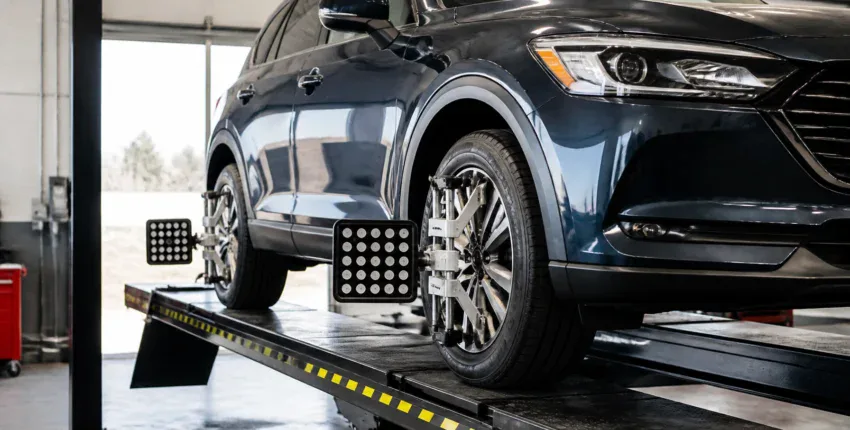
Car wheel alignment service at Mike's Automotive, Pawling, NY.

Smooth Rides and Straight Lines: The Hidden Benefits of Proper Wheel Alignment

Have you ever been driving down Route 22, enjoying a clear afternoon, only to realize you’re practically wrestling with your steering wheel just to keep the car centered? Maybe you’ve noticed that your vehicle has developed a subtle, nagging “drift” to the left, or perhaps your steering wheel looks like it’s turned for a corner even when you’re driving perfectly straight.

If this sounds familiar, you aren’t alone: and it’s definitely more than just a minor annoyance. Those small tugs and vibrations are your car’s way of telling you that things aren’t quite lining up under the hood.

At Mike’s Automotive, we see this every day. While a lot of drivers think of a wheel alignment as a “luxury” service or something that can wait until their next big repair, the truth is that the relationship between your wheel alignment and tires is one of the most critical factors in how your car handles, how safe you are on the road, and how much money stays in your wallet.

What Exactly Is a Wheel Alignment?

To understand why it matters, it helps to understand what we’re actually doing when we put your car on the lift. Despite the name, a wheel alignment isn’t actually an adjustment of the tires or wheels themselves. Instead, it’s an adjustment of the vehicle’s suspension system: the complex network of components that connects the car to its wheels.

Think of your car’s suspension like its skeletal system. If your hips or knees are out of alignment, your whole gait changes, your shoes wear out unevenly, and eventually, you start feeling pain. Your car is the same way. When we perform a wheel alignment, we are precisely adjusting the angles of the tires so they make contact with the road in exactly the right way.

We look at three primary angles:

  1. Camber: This is the inward or outward angle of the tire when viewed from the front. If they lean too far in or out, it’s like walking on the edges of your feet.
  2. Toe: This refers to the direction the tires are pointing relative to each other. Think of it like being “pigeon-toed.” If your tires are pointing slightly toward or away from each other, they are essentially “scrubbing” against the pavement as you drive.
  3. Caster: This angle identifies the forward or backward slope of your steering axis. It’s what helps your steering wheel return to the center after a turn.

Why Proper Wheel Alignment and Tires Are Your Best Friends

When your wheel alignment and tires are in perfect harmony, your driving experience changes instantly. But the benefits go much deeper than just a smoother ride.

1. Maximizing Your Tire Investment

Let’s be honest: a set of quality tires is a significant investment. Whether you’re running a set of Michelins on your family SUV or specialized performance tires on a BMW, you want them to last as long as possible. When your alignment is off, your tires don’t wear down evenly. You might notice “feathering” or “cupping,” where one side of the tread disappears while the other looks brand new.

By keeping your alignment in check, you ensure that the weight of the vehicle is distributed evenly across the entire surface of the tire. This simple maintenance task can literally double the life of your tires, saving you hundreds (or even thousands) of dollars over the life of your vehicle. If you’ve noticed your tires looking a bit thin on the edges, you should check out our guide on why you should never ignore uneven tire wear.

2. Better Fuel Efficiency

In an era where gas prices seem to fluctuate daily, every mile per gallon counts. When your wheels are misaligned, they aren’t rolling freely; they are essentially dragging. This creates “rolling resistance,” which means your engine has to work much harder to push the car forward.

Imagine trying to push a shopping cart with one wheel stuck sideways. You have to push harder, right? Your engine feels the same way. Proper wheel alignment and tires that are correctly positioned can improve your fuel efficiency by up to 10%. Over a year of commuting in and out of Pawling, those savings really add up.

3. Safety and Handling

This is the most important point of all. Your tires are the only part of your vehicle that actually touches the road. If the alignment is off, your “contact patch”: the area of the tire touching the pavement: is compromised. This can lead to longer braking distances and less predictable handling in an emergency.

If you have to swerve to avoid a deer or a sudden stop on a wet road, you need your suspension to respond exactly how it was designed. A misaligned car might pull or dart unexpectedly, making a dangerous situation even worse. This is why we prioritize alignment during our vehicle safety inspections.

A technician adjusting suspension components under a car

What to Look For: Signs Your Alignment Is Off

You don’t need to be a mechanic to know when something is wrong. Here are a few “red flags” that it’s time to bring your vehicle in:

  • The Steering Wheel “Tug”: If you find yourself constantly correcting the steering to stay in your lane, your alignment is likely the culprit.
  • Off-Center Steering Wheel: When you’re driving straight, is your steering wheel logo perfectly level? If it’s tilted to one side, your “toe” is likely out of adjustment.
  • Vibrating Steering Wheel: This can be a sign of both poor alignment and unbalanced tires. It’s the car’s way of screaming for help.
  • Squealing Tires: If your tires squeal when you’re making normal turns at low speeds, they are likely fighting against the road because of a bad alignment angle.

The Mike’s Automotive Difference: Dealership Expertise, Local Trust

When you bring your car to Mike’s Automotive for wheel alignment and tires, you aren’t just getting a “quick fix.” You’re getting over 25 years of industry experience. Mike started his career as a Honda Master Technician: a title earned through 249 online studies and 79 rigorous in-person modules.

That level of training means we don’t just “eyeball” it. We use dealership-level technology to measure your vehicle’s alignment down to the hundredth of a degree. We’ve worked on everything from the latest Toyotas and Hondas to high-end European models like BMW and Audi.

Because we’ve spent decades in the dealership world before opening our shop in Pawling in 2019, we know exactly what your manufacturer requires. But unlike the big dealerships, we’ll talk to you like a neighbor. We provide transparent estimates and explain exactly what we’re seeing, so you can make an informed decision about your car’s health.

Protecting Your Suspension

Often, a bad alignment is the result of worn-out suspension parts. If your struts or shocks are leaking, or if your ball joints are loose, a simple alignment won’t hold. During our service, we perform a multi-point inspection to ensure that the rest of your car is healthy. If we find that your car is feeling every bump, we’ll let you know if it’s an alignment issue or something more significant in the suspension system.

Proactive prevention is always cheaper than reactive fixing. Catching a misalignment early can save you from having to replace your tires prematurely or dealing with a broken suspension component on the side of the road.

A Local Solution for Pawling Drivers

We know your time is valuable. Whether you’re a commuter heading to the city or a parent running kids between school and practice, you need a car you can trust. A vehicle that tracks straight and handles predictably isn’t just a convenience: it’s peace of mind.

At Mike’s Automotive, we’re committed to bringing that high-level dealership knowledge to our local community. We combine meticulous work with fair pricing and a personalized touch that you just won’t find at a big-box chain.

If your car hasn’t been feeling quite right lately, don’t wait for the problem to get worse (and more expensive). Let us help you get back on the straight and narrow.

Is your car drifting or are your tires wearing out too fast?

Give us a call or stop by our shop in Pawling. We’ll get your wheel alignment and tires checked out and have you back on the road with a smoother, safer ride in no time. We’re here to help keep our neighbors safe and their cars running perfectly for years to come.

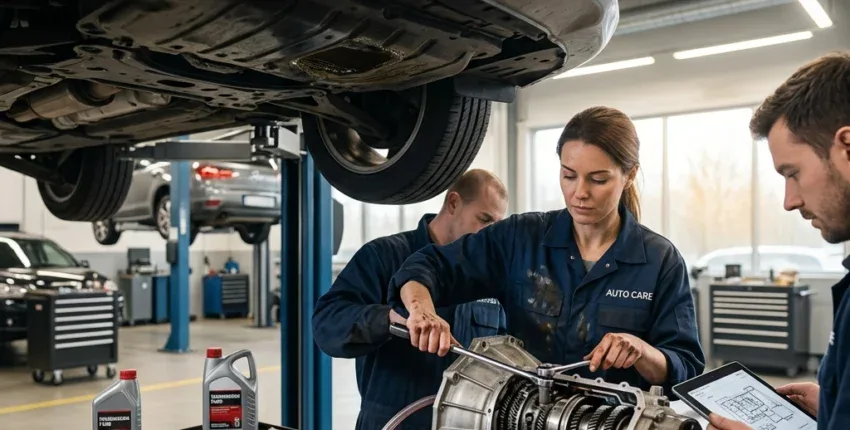
Auto repair shop with technicians working on transmission system.

How to Avoid the Biggest Transmission Repair Pitfalls with Routine Maintenance

Imagine you’re driving down Route 22 on a crisp morning here in Pawling, NY. You’re heading toward the village to grab a coffee, and as you accelerate, you feel a slight “shudder.” Maybe it’s a momentary hesitation, or perhaps your engine revs higher than usual before the car finally catches and moves forward. It’s a sinking feeling, isn’t it?

You might think, “I’ll deal with that later,” but when it comes to your vehicle’s transmission, “later” can very quickly turn into a multi-thousand-dollar headache.

At Mike’s Automotive, we see this scenario all the time. Many of our neighbors think of the transmission as a mysterious black box that either works or it doesn’t. But in reality, your transmission is the “muscles” of your vehicle. While the engine provides the raw power (the heart), the transmission is what decides how to use that power to move your wheels. It’s also like a “nervous system,” coordinating complex signals and gear ratios to ensure you can climb a steep hill or cruise at highway speeds efficiently.

The good news? The biggest transmission repair pitfalls are almost entirely avoidable with simple, routine car maintenance. Let’s dive into how you can keep your car’s muscles strong and avoid the most common traps.

The Pitfall of the “Invisible” Leak

One of the most dangerous myths in the automotive world is that transmission fluid, like engine oil, eventually “burns off” and just needs a top-off. This couldn’t be further from the truth. Your transmission is a sealed system. If the fluid level is low, there is a leak: period.

Ignoring a small red puddle on your driveway is the fastest way to a total system failure. When fluid levels drop, the internal components don’t get the lubrication or the hydraulic pressure they need to function. This leads to friction, and friction leads to heat. In the world of transmission repair services, heat is the number one enemy.

What to Look For:

  • The Color Test: Fresh transmission fluid is usually a bright, translucent red or pink. If you see a puddle under your car that looks like cherry cough syrup, you’ve got a leak.
  • The Smell Test: If that fluid starts to look dark brown or smells like burnt toast, your transmission is already overheating. This is a sign that the fluid has broken down and is no longer protecting your gears.

A clean drop of red transmission fluid under a car, highlighting the importance of routine car maintenance.

Neglecting the “Nervous System” (Electronic Sensors)

Modern transmissions are incredibly smart. They rely on a network of sensors to tell the vehicle when to shift and how much pressure to apply. Sometimes, what feels like a catastrophic mechanical failure is actually just a “glitch” in the nervous system: a faulty sensor or a frayed wire.

The pitfall here is assuming that a “Check Engine” light or a “Transmission Fault” light means the entire transmission needs to be replaced. At Mike’s Automotive, we use advanced engine diagnostics to pinpoint exactly what’s wrong. Often, a simple sensor replacement or a software update can save you from a full rebuild. However, if you ignore these warning lights, the “nervous system” can’t tell the “muscles” what to do, leading to mechanical wear that will eventually require a major repair.

The “Lifetime Fluid” Trap

If you’ve bought a car in the last ten years, you might have been told that your transmission fluid is “lifetime” and never needs to be changed. While manufacturers are making better fluids than ever, “lifetime” usually refers to the lifetime of the warranty, not the lifetime of the car.

Here in the Hudson Valley, our driving conditions are anything but “standard.” We have humid summers, freezing winters, and plenty of hilly terrain that forces your transmission to work harder. This environmental stress breaks down fluid faster than the manufacturer might have predicted in a laboratory.

Sticking to a schedule of routine car maintenance that includes a transmission fluid exchange every 30,000 to 60,000 miles (depending on your vehicle) is the best insurance policy you can buy. It’s the difference between a small maintenance cost now and a massive repair bill at 100,000 miles.

Side-by-side comparison of fresh and dirty fluid used in professional transmission repair services.

Harsh Driving Habits: The Muscle Strain

Think of your transmission like a weightlifter. It can handle heavy loads, but if you constantly jerk the weights or drop them suddenly, you’re going to tear a muscle.

Common habits that lead to premature auto repair services include:

  1. Shifting while moving: Have you ever thrown your car into Reverse while it was still rolling forward? That “clunk” you hear is the sound of metal components being forced to stop and change direction instantly. It’s like trying to run full speed and suddenly being yanked backward.
  2. Towing beyond capacity: If you’re hauling a heavy trailer up toward the Taconic, your transmission fluid temperature can skyrocket. If you tow frequently, you might need a dedicated transmission cooler to prevent the fluid from “cooking” your internal seals.
  3. Aggressive stop-and-go: Constant “flooring it” from a stoplight puts immense stress on the torque converter and clutch packs.

Why Routine Maintenance Matters

We understand that car repairs can be stressful. Our goal at Mike’s Automotive is to move you from reactive fixing to proactive prevention. When you bring your car in for general repair or a simple oil change, we’re not just looking at your oil filter. We’re looking for the early signs of trouble: the weeping seal, the darkening fluid, or the subtle warning lights that you might have missed.

Routine maintenance keeps your vehicle’s “muscles” supple and its “nervous system” sharp. It ensures that when you press the gas pedal to merge onto the highway, your car responds exactly as it should: smoothly and reliably.

A technician explaining the benefits of routine car maintenance to a vehicle owner in a professional garage.

What to Look For: A Quick Checklist for Pawling Drivers

If you notice any of the following, it’s time to give us a call. Don’t let a minor glitch become a major pitfall:

  • Slipping Gears: You feel the engine revving, but the car doesn’t seem to be accelerating at the same rate. It feels like the “muscles” are losing their grip.
  • Rough Shifting: Instead of a smooth transition, the car jerks or “thuds” into the next gear.
  • Delayed Engagement: You put the car in Drive, and there’s a two or three-second pause before it actually starts to move.
  • Unusual Noises: Whining, buzzing, or clunking sounds while the car is in neutral or shifting gears.
  • The “Burning” Smell: A sweet but acrid smell that indicates your fluid is overheating.

Trust the Local Experts at Mike’s Automotive

At the end of the day, your vehicle is one of your biggest investments. It’s what gets you to work, gets your kids to school, and keeps you connected to our beautiful Pawling community. You wouldn’t ignore a persistent pain in your own body; don’t ignore a persistent “shudder” in your car’s transmission.

Whether you need a simple fluid check or more complex engine repair, we are here to help. Our team provides honest, transparent auto repair services that focus on your safety and the longevity of your vehicle. We take pride in being the mechanics our neighbors can trust.

Don’t wait for a breakdown to happen. If you’re worried about your transmission or just realized it’s been a while since your last check-up, let’s get it looked at.

A car driving smoothly through Pawling, NY, following professional auto repair services at Mike's Automotive.

Ready to keep your car running smoothly?
Contact us today to schedule your routine maintenance appointment. We’ll help you avoid the pitfalls and keep your car on the road for years to come. Whether you’re coming from Brewster, Wingdale, or right here in Pawling, the coffee’s on us!

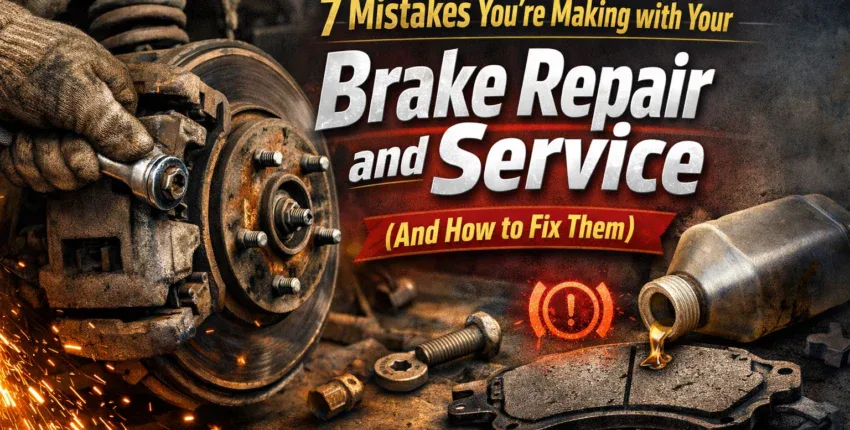
Brake repair and service tips for vehicle maintenance and safety.

7 Brake Repair Mistakes to Avoid

Have you ever been driving down Route 22 toward the village, enjoying the views of the Pawling hills, when you suddenly have to press the brake pedal just a little harder than usual? Or maybe you’ve started hearing a high-pitched squeak that sounds like a cricket hitched a ride under your wheel well?

If you’ve felt that slight shimmy in the steering wheel or heard a rhythmic “thump-thump” while slowing down for a stoplight on Lakeside Drive, you aren’t alone. We’ve all been there. Brakes are easily the most critical safety component of your vehicle, yet they are often the most misunderstood.

At Mike’s Automotive, we see a lot of “oops” moments. Whether it’s a DIY project gone sideways or a budget shop cutting corners, brake mistakes can range from annoying squeaks to genuine safety hazards. Mike, our resident expert and a former Honda Master Technician, has seen it all, from pads installed backward to calipers hanging by a thread (literally).

Today, we’re going to pull back the curtain on the 7 common mistakes people make with brake repair and service and, more importantly, how to do it right so you can drive through Pawling with total peace of mind.


1. The Infamous “Pad Slap” (Replacing Pads Without Rotors)

We get it. You’re looking at your bill and trying to save a few bucks, so you decide to just swap the pads and leave the old rotors alone. In the industry, we call this a “pad slap.”

The Mistake: Your brake pads and rotors are a team. Think of them like a pair of shoes and the ground you walk on. Over time, your old pads have worn grooves and heat spots into the metal of the rotor. When you put a perfectly flat new pad against a bumpy, grooved rotor, they don’t make full contact.

Why It Matters: This leads to noisy brakes, a vibrating pedal, and, most importantly, longer stopping distances. New pads need a fresh, smooth surface to “bed in” correctly.

The Fix: Always have your rotors inspected. If they are thick enough, they can sometimes be resurfaced (turned) to create a fresh face. However, with modern vehicles, rotors are often designed to be replaced alongside the pads for maximum safety and performance.

2. Ignoring the “Hydraulic Lifeblood” (Brake Fluid)

When people think of routine car maintenance, they usually think of oil changes and tire rotations. Brake fluid? It’s often the forgotten hero.

The Mistake: Thinking brake fluid lasts forever. Brake fluid is “hygroscopic,” which is a fancy way of saying it acts like a sponge for moisture. Over time, water seeps into the system through microscopic pores in the hoses.

The Solution: Moisture in the fluid lowers the boiling point, which can lead to “brake fade” on long descents (like coming down those steep Pawling backroads). It also causes internal corrosion in your ABS modules and calipers. We recommend a brake fluid flush every two to three years to keep the system clean and responsive.

Clean brake fluid poured into a reservoir, highlighting essential brake repair and maintenance for safety.

3. Letting the Caliper “Hang Out”

If you’re attempting a repair at home or using a technician who is rushing, this is a classic blunder.

The Mistake: When the brake caliper is removed to get to the pads or rotor, it shouldn’t just be left to dangle by the rubber brake hose. That hose is designed to hold pressure, not the weight of a heavy metal casting.

The Problem: Hanging the caliper by the hose can cause internal tearing that you can’t see from the outside. This can lead to a collapsed hose that acts like a one-way valve, allowing the brakes to apply but not release, causing your brakes to overheat and wear out prematurely.

The Fix: Use a simple “S” hook or even a piece of heavy wire to secure the caliper to the suspension spring while you work. It’s a small step that saves a lot of headaches later.

4. Forgetting the Grease (Caliper Slide Pins)

Your brakes aren’t just static blocks; they are a moving mechanical system.

The Mistake: Failing to clean and lubricate the caliper slide pins. These pins allow the caliper to center itself over the rotor when you hit the pedal.

Why It Matters: If these pins get stuck due to rust or old, crusty grease, your brakes won’t apply evenly. You’ll end up with one pad worn down to the metal while the other looks brand new. It can also cause the car to pull to one side when braking.

The Fix: Every time you do a brake repair and service, those pins should be pulled out, cleaned, and coated with a high-temperature silicone lubricant specifically designed for brakes.

5. Fighting the Computer (Electric Parking Brakes)

Modern cars are rolling computers. If your car has a button for the parking brake instead of a lever, you have an Electric Parking Brake (EPB).

The Mistake: Trying to force the rear caliper piston back in without putting the car into “Service Mode.” In the old days, you just used a C-clamp. If you do that on a modern Honda or Subaru, you can strip the internal gears of the electric motor.

The Solution: This is where vehicle electrical repair knowledge comes in handy. You often need a diagnostic scan tool to tell the car’s computer to retract the electronic motors. If you’re unsure, it’s best to bring it to a shop like ours that has the right technology to talk to your car’s brain. For more on how we handle these high-tech issues, check out our guide on understanding your vehicle’s warning lights.

Modern brake assembly showing the integration of electrical systems and hardware for advanced brake service.

6. The “Backwards” Blunder

It sounds silly, but Mike has seen it more times than he can count.

The Mistake: Installing brake pads backward (metal side toward the rotor) or mounting a caliper upside down. If a caliper is upside down, the bleeder screw is at the bottom, making it impossible to get the air out of the system.

The Problem: Metal-on-metal contact will destroy your rotors in seconds, and air trapped in the lines will make your brake pedal feel like stepping on a marshmallow.

The Fix: Take photos before you disassemble anything! Or better yet, trust a professional. At Mike’s Automotive, we perform thorough vehicle safety inspections to ensure every clip, shim, and bolt is exactly where the manufacturer intended.

7. Skipping the Torque Wrench

“Hand-tight” is not a measurement.

The Mistake: Guessing how tight the bolts should be. Some people over-tighten, which can snap a bolt or warp a hub. Others under-tighten, which can lead to a caliper falling off while you’re driving.

The Solution: Every bolt on your braking system has a specific “torque spec”, a precise measurement of tightness. Using a calibrated torque wrench ensures the pads stay in alignment and the pressure is applied equally. It’s the difference between a “okay” job and a professional auto repair service.


What to Look For: Signs Your Brakes Need Help

If you aren’t a mechanic, how do you know if you’re making these mistakes, or if your current brakes are failing? Keep an eye (and ear) out for:

  • The Squeal: A high-pitched noise usually means the wear indicator is touching the rotor. It’s your car’s way of saying, “Hey, I need help!”
  • The Pulse: A vibrating brake pedal usually points to warped rotors or uneven pad deposits.
  • The Pull: If the car swerves toward the shoulder or the center line when you brake, you likely have a stuck caliper or a collapsed hose.
  • The Soft Pedal: If the pedal sinks to the floor, you might have air in your lines or a leak. This is a “stop driving immediately” situation.

Professional brake repair and service ensuring a safe stop on Pawling roads with a clean, silver brake rotor visible.

Why It Matters: Safety Above All

At Mike’s Automotive, we treat every car like it’s carrying our own family. Mike’s background as a Honda Master Technician means he doesn’t just “fix” things; he understands the engineering behind them. Whether it’s a simple brake pad swap or a complex vehicle electrical repair on an anti-lock braking system, precision is our standard.

Your brakes are the only thing standing between a “close call” and a bad day. Proper routine car maintenance ensures that when you need to stop suddenly because a deer jumped out on Hurds Corner Road, your car responds exactly how it should.

We’re Here to Help!

Brake work can be intimidating, but it doesn’t have to be. If you’re worried about a noise you’re hearing or if it’s been a while since your last check-up, don’t wait until it becomes an emergency.

Whether you need a quick inspection or a full brake system overhaul, the team at Mike’s Automotive is here to keep our Pawling neighbors safe on the road. We take pride in transparent, honest service that gets you back behind the wheel with confidence.

Ready for a check-up? Contact us today to schedule your appointment, or stop by the shop to say hi! Let’s make sure your vehicle is ready for whatever the New York roads throw at it.

For more tips on keeping your ride in top shape, feel free to browse our auto repair services in Pawling, NY. Safe driving!

side-view-mechanic-working-auto-repair-shop_1048944-28112340-1.avif

Dim Lights or Electrical Issues? Here’s What Might Be Causing It

Have you ever been driving at night and noticed your headlights seem a bit dim? Or perhaps you’ve experienced flickering lights or strange electrical issues in your vehicle. If so, you’re not alone. Many drivers face these frustrating problems, and they can be more than just an annoyance. They might be signaling a deeper electrical issue in your car. In this guide, we’ll explore the common causes behind dim headlights and other electrical problems and offer practical advice on what to do next. So buckle up, and let’s shed some light on the situation!


Understanding Your Vehicle’s Electrical System


Before diving into specific issues, it’s helpful to have a basic understanding of your car’s electrical system. This system is complex and vital for your vehicle’s operation, controlling everything from starting the engine to powering the lights, radio, and other accessories. A well-maintained electrical system ensures the smooth operation of your vehicle and prevents unexpected breakdowns.


The Role of the Battery


The battery is the heart of your vehicle’s electrical system. It supplies the power needed to start the engine and powers the electrical components when the engine isn’t running. A failing battery can lead to dim headlights and other electrical glitches. Imagine trying to start your car on a cold winter morning, only to hear a sluggish crank. This is often a sign that the battery is struggling.


The Alternator’s Function


Once your engine is running, the alternator takes over. It charges the battery and powers the electrical systems. If your alternator is on the fritz, it might not charge the battery efficiently, leading to power issues. For instance, you might notice your headlights dimming when idling at a traffic light. This happens because the alternator isn’t supplying enough power to meet the car’s demands.


Wiring and Fuses


Wiring is like the nervous system of your car’s electrical setup, connecting all components. Fuses protect these circuits from overload. Faulty wiring or blown fuses can cause specific components to malfunction or stop working altogether. Imagine your car’s radio suddenly cutting out or your power windows refusing to budge; these could be signs of wiring issues.


Common Causes of Dim Headlights


If your headlights are dim, it’s essential to determine the cause. Here are some of the most common reasons this might happen.


Battery Issues


The first suspect in any electrical problem is often the battery. A weak or dying battery might not provide enough power, leading to dim headlights. This is akin to using a flashlight with nearly depleted batteries; the light is faint and unreliable.


Signs of a failing battery include a slow engine crank, a swollen battery case, or the battery warning light on your dashboard. If your battery is older than three years, it’s wise to have it tested during routine maintenance to ensure it’s still holding a charge efficiently.


Alternator Problems


If the battery seems fine, the next step is to check the alternator. An alternator that isn’t working properly can’t keep the battery charged, leading to dim lights. For example, if your lights brighten when you rev the engine, this could indicate alternator issues.


Testing the alternator typically involves checking the voltage output with a multimeter. If the alternator needs replacement, consider the overall cost and the importance of professional installation to ensure the longevity of the new unit.


Wiring and Connection Issues


Poor connections or faulty wiring can also lead to dim headlights. Corrosion and loose connections are common culprits, often found when a vehicle has been exposed to harsh weather conditions or salted roads. Regularly inspect and clean battery terminals and connections to prevent these issues.


Broken wires and damaged insulation can cause intermittent electrical issues. If you find any exposed or damaged wires, it’s crucial to address them promptly to prevent further damage or a potential short circuit.


Other Electrical Issues and Their Causes


Besides dim headlights, other electrical problems can arise. Let’s explore these and their potential causes.


Flickering Lights


If your lights flicker, it might be due to a loose connection or a failing alternator. This can be particularly dangerous if it occurs at night, reducing your visibility on the road. Regularly inspect all connections and secure any loose wires to prevent flickering lights.


Electrical Component Failures


Components like the radio, power windows, or dashboard lights can fail due to electrical issues. A common cause for such failures is blown fuses, which can be quickly checked and replaced if necessary. Keep a few spare fuses in your glove compartment for easy access.


Faulty relays can also cause component failure. If you suspect a relay is the issue, consult your vehicle’s manual or a professional to identify and replace the faulty part.


Unusual Sounds


Buzzing or whining noises can indicate electrical problems. A high-pitched whine might suggest alternator issues, while buzzing sounds can indicate a failing relay that needs replacement. If you hear these noises, it’s best to have your vehicle inspected by a professional to diagnose and fix the problem.


Seasonal Tips for Maintaining Electrical Systems


Electrical problems can sometimes be seasonal. Here’s how to keep your vehicle in tip-top shape year-round.


Winter Challenges


Cold weather can be tough on batteries and electrical systems. Ensure your battery is fully charged and connections are clean to prevent starting issues. Regularly check for corrosion, especially if you live in areas where roads are salted in winter.


Summer Heat


Heat can also affect your vehicle’s electrical system. Ensure your cooling system is in good condition to prevent the engine and electrical components from overheating. Extreme heat can cause battery fluid to evaporate, so monitor your battery’s health during the summer months.


Practical Maintenance Tips


Regular maintenance can prevent many electrical issues. Here are some tips to keep your car’s electrical system running smoothly.


Regular Inspections


Schedule regular inspections with a professional to catch potential issues before they become problems. A well-maintained vehicle is less likely to experience unexpected electrical failures.


Clean Battery Terminals


Keep battery terminals clean and free from corrosion to ensure a good connection. A simple mixture of baking soda and water can be used to clean them effectively.


Monitor Electrical Components


Keep an eye on all electrical components. Early detection of issues can save you time and money. If you notice any changes in performance, have them checked immediately.


When to Seek Professional Help


While some issues can be handled at home, others require professional expertise. If you’re unsure or uncomfortable, it’s best to seek help. Persistent issues, despite your efforts, indicate that it’s time to contact a professional.


If you’re experiencing electrical issues with your vehicle, don’t let them go unchecked. Visit Mike’s Automotive in Pawling, NY, for expert auto electrical repair. Our team is ready to help you get back on the road safely. Contact us today to schedule your appointment!


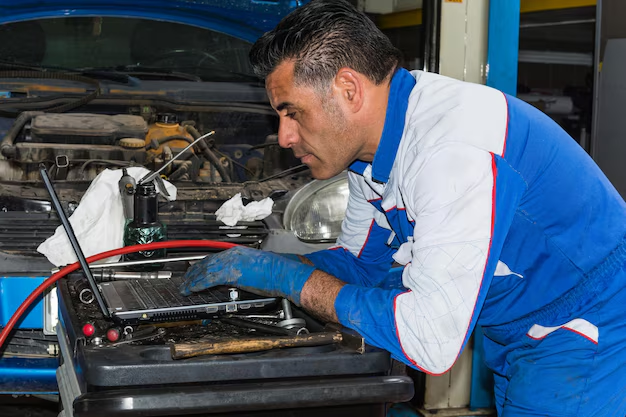
man using a tablet while repairing a car

Vehicle Safety Inspections: What We Look For and Why It Matters

Your vehicle is more than just a means of transportation—it’s a complex machine that keeps you and your family safe every time you hit the road. Yet, in the busy pace of daily life, it’s easy to overlook one of the most important steps in responsible vehicle ownership: regular safety inspections. These inspections are essential not only for your safety but also for protecting your investment and ensuring your vehicle remains reliable and efficient.

At Mike’s Automotive in Pawling, our team brings over 25 years of automotive expertise, including Honda Master Technician-level knowledge, to every vehicle safety inspection. We provide a comprehensive evaluation designed to identify potential issues before they become serious problems, keeping you safely on the road.

What a Vehicle Safety Inspection Covers

A vehicle safety inspection is a detailed examination of your car to ensure it meets or exceeds the safety standards required by local and state regulations. While inspections may vary slightly depending on your region, most focus on the following critical components:

1. Brakes

The braking system is the most crucial safety feature in any vehicle. During an inspection, we check brake pads, rotors, calipers, and brake fluid levels. Worn brake pads or low fluid can compromise stopping power and increase your risk of accidents. By identifying wear early, we help maintain maximum braking performance and safety.

2. Tires

Your tires are the only point of contact between your vehicle and the road, making them essential for safety, handling, and fuel efficiency. We inspect tread depth, tire pressure, and overall condition to identify uneven wear or damage that could lead to blowouts. Properly maintained tires improve traction, handling, and even your vehicle’s stopping distance in emergency situations.

3. Lights and Signals

Visibility and communication with other drivers are vital to preventing collisions. During an inspection, we verify that headlights, taillights, brake lights, turn signals, and hazard lights are functioning correctly. Faulty lights can create dangerous blind spots and increase the likelihood of accidents, especially in low-light or adverse weather conditions.

4. Steering and Suspension

Your vehicle’s ability to handle and respond accurately depends on a healthy steering and suspension system. We check for worn shock absorbers, loose steering components, and alignment issues that can affect control. A properly functioning suspension ensures smooth handling, improved ride comfort, and safer turns and maneuvers.

5. Exhaust and Emissions

With stricter environmental regulations, many vehicles must pass emissions standards to stay road-legal. Our inspections assess your exhaust system for leaks, damage, and proper operation. Maintaining a compliant exhaust system not only helps the environment but also protects your engine from potential long-term damage.

6. Windshield and Mirrors

Clear visibility is essential for safe driving. We check for cracks, chips, or other damage that may obstruct your line of sight and ensure mirrors are properly adjusted and intact. Small issues, if ignored, can compromise your ability to react to traffic hazards.

7. Seatbelts and Airbags

These safety devices are designed to protect you in the event of an accident. We inspect seatbelts for wear or fraying and confirm airbags are functioning properly. Ensuring these systems work correctly significantly increases your safety and the safety of your passengers.

Why Vehicle Safety Inspections Matter

Regular safety inspections are about more than meeting legal requirements—they are a proactive approach to vehicle maintenance that provides multiple benefits.

Ensuring Safety on the Road

The primary goal of a safety inspection is to ensure your vehicle operates safely. By identifying potential issues early, we help prevent accidents caused by mechanical failures. Whether it’s a worn brake pad, a misaligned suspension, or a tire with low tread, early detection can make the difference between a minor inconvenience and a serious safety hazard.

Compliance with Local Laws

In many areas, vehicle safety inspections are required by law. Failing to comply can lead to fines, penalties, or even a vehicle being taken off the road. At Mike’s Automotive, we make it easy for Pawling drivers to stay in compliance by performing inspections that meet or exceed state standards, giving you peace of mind every time you drive.

Prolonging Vehicle Life

Safety inspections are also an investment in your vehicle’s longevity. Catching issues like fluid leaks, worn belts, or failing sensors early can prevent more extensive and costly repairs down the road. Proactive maintenance keeps your vehicle reliable and ensures it delivers consistent performance for years to come.

Supporting Environmental Responsibility

Modern vehicles are designed to minimize emissions, but aging or poorly maintained components can compromise efficiency and increase pollutants. By inspecting your exhaust system and emissions controls, we help ensure your vehicle remains environmentally responsible, contributing to cleaner air and a healthier community.

Peace of Mind

Finally, there is the intangible but invaluable benefit of peace of mind. Knowing your vehicle has been thoroughly inspected by trained professionals allows you to drive with confidence, whether you’re commuting through Pawling, taking a family road trip, or running errands around town.

Why Choose Mike’s Automotive for Your Vehicle Safety Inspection

At Mike’s Automotive, we combine extensive experience, technical expertise, and a commitment to personalized service to deliver thorough, reliable inspections. Our founder, Mike, spent 15 years at a local Honda dealership, achieving Honda Master Technician status and completing hundreds of hours of advanced training. Today, he brings that same level of knowledge and professionalism to every customer in Pawling.

We focus on transparent communication, explaining any issues we find in plain language and offering solutions that suit your needs and budget. From minor maintenance to major repairs, we handle vehicles of all makes and models with precision and care.

Whether you need routine inspections, tire services, brake repairs, or engine diagnostics, our locally owned and operated shop provides a convenient, trustworthy option for Pawling drivers. Our goal is simple: keep your vehicle safe, reliable, and performing at its best while treating you like a valued member of our community.

Regular vehicle safety inspections are an essential step in responsible car ownership. They protect you, your passengers, and everyone else on the road, while also ensuring your vehicle remains reliable, efficient, and legally compliant.

Schedule your comprehensive vehicle safety inspection at Mike’s Automotive today and drive with confidence knowing your car is in expert hands. Call us or book online to experience dealership-level service with the personalized attention only a locally owned shop can provide.

Auto mechanics working in a car repair shop

Exhaust System Repairs: What’s That Rattling Under Your Car?

Are you cruising along the roads of Pawling, NY, only to be interrupted by an annoying rattling noise under your car? You’re not alone. Many vehicle owners experience strange sounds emanating from their vehicles, with the exhaust system often being the culprit. In this guide, we’ll delve into the world of exhaust system repairs, providing you with insights on why this noise occurs and what you can do about it. By the end, you’ll know exactly when to reach out to experts like Mike’s Automotive.

Understanding the Role of Your Exhaust System

Before diving into the rattling issue, it’s crucial to understand what your exhaust system does. It’s more than just a tailpipe sticking out from the back of your vehicle.

The Function of an Exhaust System

The primary role of the exhaust system is to guide harmful gases away from the engine and the passenger cabin. It ensures these gases exit the vehicle safely, reducing noise and environmental impact. Additionally, it aids in enhancing engine performance and fuel efficiency. Imagine driving a car with a compromised exhaust system; not only would it be noisier, but the engine would also work harder and less efficiently, similar to trying to breathe through a clogged straw.

Key Components of an Exhaust System

Your exhaust system consists of several parts, including the manifold, catalytic converter, muffler, and pipes. Each plays a vital role in ensuring the system runs smoothly. Any malfunction in these components can lead to rattling noises or other issues. For example, the catalytic converter, which is essential for reducing harmful emissions, can become clogged over time, much like how arteries can become blocked, leading to decreased performance.

Common Causes of Rattling Noises

If you’re hearing rattling noises from under your car, it’s likely tied to one of several issues within the exhaust system. Identifying the source is the first step in resolving it.

Loose or Damaged Heat Shields

Heat shields protect various parts of your car from the extreme heat produced by the exhaust system. Over time, these can become loose or corroded, leading to a rattling noise. This is a common issue, especially in areas with harsh winters like Pawling, NY. Think of heat shields as the unsung heroes of your car, quietly protecting it from overheating. However, when they become loose, it’s akin to a loose flap on a tent in a storm, constantly flapping and causing noise.

Failing Catalytic Converter

The catalytic converter is a critical component that reduces harmful emissions. If it becomes clogged or damaged, you might hear a rattling noise. This is often accompanied by a decrease in vehicle performance. A failing catalytic converter is much like trying to sprint while wearing a mask that restricts airflow; the engine struggles to perform efficiently, leading to poor fuel economy.

Broken Muffler or Exhaust Pipes

A broken or corroded muffler or exhaust pipe can also be the source of rattling noises. Damage here can lead to increased noise levels and may affect your vehicle’s emissions. Picture a musical instrument with a crack; it can’t produce the right sound, similar to how a damaged muffler fails to mute engine noise effectively.

Diagnosing the Problem

Once you’re aware of the potential causes, the next step is diagnosing the issue. While some may prefer to inspect their vehicles themselves, it’s often best to consult with professionals to ensure accurate diagnosis and repair.

Visual Inspection

Start by visually inspecting the exhaust system components. Look for any obvious signs of damage, rust, or loose parts. Heat shields and exhaust hangers are common culprits you can check without specialized equipment. This is like checking for leaks in a garden hose; any visible damage can be a sign of where the problem lies.

Listening Test

Position yourself in a safe location and have someone rev the engine. Listen closely to identify the area the noise is coming from. This can help narrow down the component causing the issue. Just as a mechanic would listen for the heartbeat of an engine, you can tune into the distinct sounds coming from your car to pinpoint issues.

Repair and Maintenance Solutions

Addressing the issues promptly can prevent further damage and ensure your vehicle runs efficiently and safely.

Tightening or Replacing Heat Shields

If loose heat shields are the issue, they may simply need tightening. However, if they’re extensively corroded, replacement is the best option. This is a straightforward task for a professional mechanic. 

Catalytic Converter Replacement

A failing catalytic converter requires immediate attention. Replacement is often necessary, and while it’s an investment, it ensures your vehicle complies with emission standards and runs smoothly. 

Muffler and Exhaust Pipe Repairs

Depending on the damage, mufflers and exhaust pipes can be repaired or replaced. Regular maintenance can prevent these parts from deteriorating quickly. 

Preventive Measures for a Healthy Exhaust System

Keeping your exhaust system in good shape can save you from future headaches and unexpected repair costs.

Regular Inspections

Schedule regular inspections with your mechanic to catch potential issues early. This is particularly important for older vehicles or those frequently driven in harsh conditions. Consider it analogous to routine health check-ups, where early detection can prevent more serious problems.

Avoiding Road Hazards

Potholes and debris can cause immediate damage to your exhaust system. Drive carefully and avoid these hazards whenever possible. Like navigating a rocky trail, careful driving can help preserve the integrity of your vehicle’s components.

Seasonal Maintenance Tips

In regions like Pawling, where winters can be harsh, it’s crucial to wash your vehicle regularly to remove road salt and prevent corrosion of exhaust components. This is similar to applying lotion to prevent dry skin in winter; regular care can prevent long-term damage.

When to Contact a Professional

While some minor issues can be addressed at home, it’s always wise to consult with a professional for a comprehensive assessment and repair.

Signs You Need Professional Help

If the rattling noise persists despite your efforts, or if you notice a decrease in performance or fuel efficiency, it’s time to contact Mike’s Automotive. Their expertise in exhaust repair service in Pawling, NY, ensures your vehicle is in good hands.

Benefits of Professional Service

Professionals have the tools and experience to accurately diagnose and repair exhaust system issues. They can provide peace of mind and ensure your vehicle remains safe and reliable. It’s akin to consulting a specialist for a health issue; their expertise can make all the difference.

If you’re experiencing a rattling noise under your car, don’t let it go unchecked. Contact Mike’s Automotive today to schedule an exhaust repair service and keep your vehicle running smoothly and quietly. Their team of experts in Pawling is ready to assist you with any automotive needs.

Female mechanic working on a car engine repair

Feeling Every Bump? It Might Be a Suspension Problem

Driving through Pawling, New York, should be a smooth and enjoyable experience, with its picturesque roads and scenic views. However, if every bump and pothole feels like a jolting reminder of your last visit to the mechanic, it might be time to consider the health of your car’s suspension. This post will guide you through understanding what suspension problems are, their causes, symptoms, and solutions. By the end, you’ll know when to reach out to a professional like Mike’s Automotive for assistance.

Understanding Car Suspension

Car suspension is more than just a set of springs. It’s a complex system designed to provide comfort, stability, and safety. Let’s delve into its key components.

Key Components of Suspension

The suspension system includes several parts like springs, shock absorbers, struts, control arms, and bushings. Each piece plays a crucial role in how your car handles road imperfections.

Springs: These absorb the energy from road bumps and maintain vehicle height. Imagine driving over a speed bump; without springs, the impact would be directly transferred to the car body, causing discomfort and potential damage.

Shock Absorbers and Struts: They dampen the spring movement to prevent bouncing. Picture driving along a country road with a series of small dips; struts and shock absorbers help stabilize your ride, ensuring that your tires remain in contact with the road.

Control Arms and Bushings: These connect the vehicle’s frame to the wheels, allowing them to move up and down smoothly. When you’re navigating a sharp turn, control arms and bushings work together to maintain tire alignment and vehicle control.

How Suspension Works

The suspension system works by absorbing and distributing the energy from road impacts. This keeps the tires in contact with the road and stabilizes the vehicle. If any component fails, it can lead to a rough ride and reduced control. For instance, if shock absorbers are worn out, you might experience excessive bouncing, which can make driving both uncomfortable and dangerous.

Signs of Suspension Problems

Recognizing suspension damage early can prevent costly repairs. Here are some signs that you might need a car suspension repair.

Feeling Every Bump

The most obvious sign of a suspension issue is feeling every bump on the road. If your car bounces excessively or feels unstable, the suspension might be compromised. This was the case for a friend of mine who felt every imperfection on the road during a drive to a family reunion, which prompted a visit to Mike’s Automotive for a much-needed repair.

Uneven Tire Wear

Check your tires regularly. Uneven wear patterns often indicate suspension misalignment. This can lead to further damage if not addressed. A neighbor once discovered that his tires had developed unusual patterns of wear, which was eventually traced back to a worn control arm bushing.

Drifting or Pulling

If your car drifts or pulls to one side while driving, it indicates a problem with the suspension or alignment. This can be dangerous and requires immediate attention. I recall driving through a rainstorm, and the persistent pull to the left made steering an exhausting effort, highlighting the urgency of addressing such issues.

Causes of Suspension Problems

Understanding the causes of suspension issues can help you prevent them. Here are the most common culprits.

Regular Wear and Tear

Over time, suspension components degrade due to regular use. Springs sag, shock absorbers lose their effectiveness, and bushings wear out. This natural aging process is accelerated in vehicles driven frequently on rough terrain.

Potholes and Rough Roads

Pawling’s roads, like many others, are not immune to potholes and rough patches. Hitting these can cause significant suspension damage. A particularly deep pothole on my route to work once led to a bent control arm, resulting in a costly repair.

Overloading

Carrying more weight than your vehicle is designed for stresses the suspension. Overloading can cause premature wear and even breakage of suspension components. A family road trip where we packed the car to the brim taught us this lesson the hard way when the rear suspension began to sag noticeably.

Diagnosing Suspension Issues

Before heading to Mike’s Automotive, you might want to perform some basic checks to diagnose potential suspension problems.

Visual Inspection

A quick visual check can reveal obvious issues. Look for leaking fluid around shock absorbers or struts, and inspect tire wear patterns. Spotting a fluid leak early on saved a friend from a more severe shock absorber failure on a long road trip.

Bounce Test

Perform a bounce test by pushing down on the car’s corners and releasing. If the car bounces more than twice, your shock absorbers might be worn out. This simple test confirmed my suspicion about my aging sedan’s suspension issues.

Listening for Noises

Strange noises like clunking or squeaking when driving over bumps often indicate suspension issues. These sounds can help pinpoint the problem. For instance, a persistent clunking noise from the front of your vehicle when driving over a speed bump could suggest a worn-out strut or control arm.

Repairing Suspension Problems

Once you’ve identified a suspension issue, it’s crucial to address it promptly. Here’s how you can tackle these problems.

DIY Fixes

For those with mechanical skills, some suspension issues can be DIY projects. Replacing worn bushings or shock absorbers can be done at home with the right tools. However, be mindful of safety precautions and ensure you have the proper equipment, such as jack stands, to safely lift the vehicle.

When to Call a Professional

Complex problems like broken springs or complete strut replacements are best left to professionals. Mike’s Automotive can provide expert service to ensure your vehicle is safe and comfortable. They have the expertise and equipment necessary to handle intricate suspension systems.

Cost Considerations

Suspension repairs can vary in cost. Minor adjustments might be inexpensive, but major repairs can be costly. Replacing a single shock absorber might range from $100 to $200, while a full suspension overhaul could reach upwards of $1,000 or more. Regular maintenance can help avoid unexpected expenses by catching minor issues before they escalate.

Preventing Future Suspension Problems

Preventative measures can extend the life of your suspension system and save you money in the long run.

Regular Maintenance

Regular inspections and maintenance can catch potential issues before they become serious. Mike’s Automotive offers comprehensive checks to keep your car in top condition. Scheduling a routine suspension check every 12,000 miles or annually is a good practice.

Safe Driving Habits

Driving carefully over rough roads and avoiding potholes can significantly reduce suspension stress. Also, ensure your vehicle is not overloaded. Practicing defensive driving techniques can also help avoid sudden impacts that strain the suspension.

Seasonal Tips

In Pawling, winters can be harsh. Cold temperatures and salted roads can accelerate suspension wear. Consider winterizing your vehicle to protect it from the elements. Applying an undercarriage sealant can help protect suspension components from corrosive road salt.

If you’ve noticed signs of suspension issues or just want peace of mind, don’t hesitate to reach out to Mike’s Automotive. Our skilled technicians at 125 B Route 22, Pawling, NY 12564, are ready to help. Schedule a check-up today and ensure your ride is as smooth as the scenery around you.